
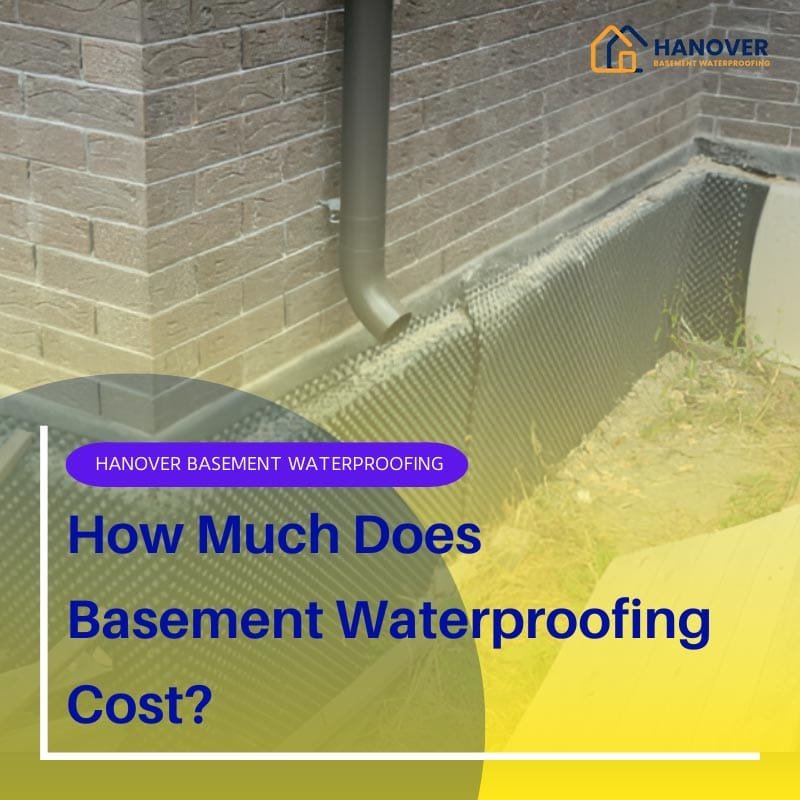
The basement waterproofing cost in Pennsylvania ranges from $3,000 to $15,000, depending on the type of waterproofing system, the size of the basement area, and the severity of water damage. Minor repairs such as foundation crack injections may cost around $500 to $1,500, while full exterior foundation waterproofing systems can exceed $10,000 due to excavation and drainage installation.
What is The Average Cost to Waterproof a Basement in Pennsylvania
The average basement waterproofing cost in Pennsylvania typically ranges between $3,000 and $15,000, depending on the type of waterproofing solution, the severity of water intrusion, and the complexity of the foundation repair work.
A simple interior waterproofing treatment may cost only a few thousand dollars, while a comprehensive exterior waterproofing system with excavation can exceed $15,000 in larger homes.
Several key factors influence the total waterproofing project cost, including:
- Basement square footage
- Severity of basement leaks
- Type of foundation material
- Drainage system installation
- Excavation requirements
- Local contractor labor rates
Because homes across Pennsylvania experience different soil drainage conditions and groundwater levels, professional contractors often perform a foundation inspection before providing a final cost estimate.
Quick Cost Overview for Basement Waterproofing Methods
The price of a basement waterproofing project largely depends on the chosen waterproofing method and the level of water damage repair required.
| Waterproofing Method | Average Cost in Pennsylvania |
| Interior waterproof sealants | $500 – $3,000 |
| Foundation crack injection repair | $500 – $1,500 per crack |
| Interior drainage system installation | $2,000 – $6,000 |
| French drain system installation | $4,000 – $10,000 |
| Sump pump installation system | $1,000 – $3,500 |
| Exterior basement waterproofing system | $8,000 – $15,000+ |
Each waterproofing solution addresses a different type of basement moisture problem. For example, interior sealants are commonly used for minor wall seepage, while a French drain system or perimeter drainage system is often required for persistent groundwater intrusion.
Homeowners dealing with severe hydrostatic pressure around the foundation walls may require a full exterior waterproof membrane installation, which is why exterior systems tend to have the highest installation cost.
What is The Average Basement Waterproofing Cost By Types in Pennsylvania
The overall basement waterproofing price depends on the type of repair strategy required to control water infiltration.
Most homeowners fall into one of three common waterproofing project categories:
Minor Moisture Control Solutions
Minor basement moisture issues often involve small foundation cracks, light wall seepage, or occasional condensation buildup. These problems are usually resolved using waterproof sealants or crack injection repairs.
Typical cost range:
$500 – $3,000
Interior Drainage Waterproofing Systems
Many homes require an interior drainage system that channels water away from the foundation footing and into a sump pump system. This type of water management solution is common in areas with high groundwater pressure.
Typical cost range:
$2,000 – $6,000
Exterior Foundation Waterproofing
A full exterior waterproofing system involves excavating soil around the foundation walls, installing a waterproof membrane barrier, and adding a drain tile system that redirects water away from the home.
Typical cost range:
$8,000 – $15,000 or more
This type of foundation protection system is the most effective long-term solution because it prevents water penetration before it reaches the basement structure.
How Much Does Cost Per Square Foot to Waterproof a Basement?
Another useful way to estimate the basement waterproofing price is by calculating the cost per square foot of waterproofing coverage.
In Pennsylvania residential construction projects, the typical waterproofing cost per square foot ranges between $5 and $15, depending on the type of drainage system, the amount of foundation repair, and the complexity of the installation work.
Smaller homes may require less material and labor, while larger homes with deep foundation footings can significantly increase the overall project budget.
| Basement Size | Estimated Waterproofing Cost |
| 500 square foot basement | $2,500 – $7,500 |
| 1,000 square foot basement | $5,000 – $12,000 |
| 1,500 square foot basement | $7,500 – $18,000 |
Homes with larger basement floor areas typically require longer drainage channels, larger sump pump systems, and additional foundation sealing materials, which explains the increasing project cost range.
The cost per square foot of basement waterproofing allows homeowners to estimate the potential repair investment before scheduling a professional foundation inspection.
What are The Major Factors That Affect Basement Waterproofing Costs?
Several structural and environmental conditions influence the total basement waterproofing cost in Pennsylvania. Each home has unique foundation characteristics, soil conditions, and water drainage patterns, which can significantly impact the final project estimate.
Below are the most important cost-determining factors homeowners should understand.
Basement Size
The basement square footage directly affects the amount of waterproofing materials, drainage systems, and labor hours required for installation.
Larger basements typically require:
- Longer perimeter drainage channels
- Additional foundation sealing materials
- Larger sump pump systems
- Increased installation labor
Because most waterproofing contractors calculate prices based on the size of the basement foundation, larger homes naturally lead to higher waterproofing project costs.
Soil Conditions in Pennsylvania
The soil composition in Pennsylvania plays a major role in foundation water pressure. Many areas contain clay-rich soil, which retains moisture and increases hydrostatic pressure around the foundation walls.
Clay-heavy soil can cause:
- Increased groundwater accumulation
- Higher foundation wall pressure
- Greater likelihood of basement seepage
- Frequent foundation crack formation
Homes built in areas with poor soil drainage capacity often require additional drainage systems or exterior waterproof membranes.
Groundwater Levels and Water Table
Homes located in regions with a high groundwater table are more vulnerable to basement water intrusion. When groundwater rises above the foundation footing level, water can seep through concrete walls, mortar joints, or floor cracks.
Properties with elevated groundwater pressure often require:
- Interior drainage systems
- sump pump installation
- perimeter drain tile systems
These additional systems increase the overall basement waterproofing cost.
Severity of Basement Water Damage
The extent of existing water damage can significantly influence the cost of a basement waterproofing project. Minor wall seepage is usually easier to repair, while severe foundation deterioration requires more complex structural repairs.
Severe water damage may require:
- foundation crack repair
- structural reinforcement systems
- basement mold remediation
- wall stabilization solutions
If extensive damage exists, the total repair cost may increase substantially.
What Are The Additional Costs to Consider?
In many cases, homeowners may need to address related structural problems or moisture issues before installing a full basement waterproofing system. These additional repairs can increase the overall project budget.
Below are several common related repair costs.
| Additional Repair Service | Typical Cost Range |
| Foundation structural repair | $2,000 – $10,000 |
| Basement mold remediation service | $500 – $6,000 |
| Dehumidifier installation system | $800 – $2,000 |
| Exterior yard drainage improvement | $1,000 – $4,000 |
For example, homes with severe basement humidity problems may require a dedicated basement dehumidification system to maintain proper indoor moisture levels.
Similarly, homes experiencing repeated surface water accumulation around the property may require improved yard grading or additional stormwater drainage solutions.
Addressing these related issues ensures the installed basement waterproofing system performs effectively for many years.
How to Get an Accurate Basement Waterproofing Estimate
Obtaining an accurate basement waterproofing estimate in Pennsylvania requires a professional evaluation of the foundation structure, the surrounding soil conditions, and the severity of the existing water intrusion problem.Most professional foundation repair contractors offer a detailed basement inspection service before providing a final project estimate. During this inspection, contractors assess several critical factors that influence the overall waterproofing cost.
Seasonal Shifts and Timing Your Waterproofing Project
Basement waterproofing costs are not static throughout the year. In Hanover, PA, the peak demand period falls between March and June, when melting snow and spring storms often cause the highest level of basement moisture problems. This seasonal demand pushes up both contractor availability premiums and material lead times.
To avoid paying a premium, many Hanover homeowners opt for late summer or early fall installations, when weather conditions are stable and contractor queues are shorter. During this period, it’s possible to negotiate up to 10% in savings, particularly for interior waterproofing jobs.
On the other hand, emergency services following spring flooding or hurricanes may include after-hours labor surcharges, equipment rental fees, and expedited material markups, increasing project costs by as much as 25–40%.
Is Basement Waterproofing Worth the Cost?
Investing in a professional basement waterproofing system is often considered one of the most valuable home improvement upgrades for properties with recurring moisture problems. Although the upfront waterproofing installation cost can be significant, the long-term benefits often outweigh the initial investment.
A properly installed foundation waterproofing system helps prevent serious structural problems that could otherwise require expensive foundation repairs in the future.
Long-Term Benefits of Basement Waterproofing
- Protection against foundation structural damage
- Prevention of basement mold growth
- Reduction of indoor humidity levels
- Improved indoor air quality
- Increased home resale value
- Prevention of costly water damage repairs
When hydrostatic pressure builds around the foundation walls, it can gradually weaken the concrete structure and lead to severe foundation cracks. Over time, untreated water intrusion can compromise the structural integrity of the home.
Installing a reliable basement waterproofing solution protects the foundation structure, maintains a dry basement environment, and helps homeowners avoid costly repairs caused by long-term moisture exposure.For many property owners, waterproofing is viewed as a preventive investment that safeguards the overall value of the home.
FAQs
How Much Does Basement Waterproofing Typically Cost?
The cost of basement waterproofing can vary significantly based on factors such as the size of your basement, the method used, and your geographic location. On average, homeowners can expect to spend between $1,500 and $10,000, with most paying around $4,500 for comprehensive waterproofing solutions.
How long does basement waterproofing last?
A professionally installed basement waterproofing system can last between 10 and 25 years, depending on the type of waterproofing materials, the quality of the installation work, and the maintenance of the drainage system.
Does Basement Waterproofing Add Value to a Home?
Yes, basement waterproofing can significantly increase the value of your home. A dry, well-maintained basement appeals to potential buyers, elevating your property’s market value and making it a smart investment for homeowners looking to sell.
How Often Should Basement Waterproofing Be Done?
The durability of basement waterproofing depends on the materials used and the installation quality. Typically, a professionally waterproofed basement can last from 10 to 20 years. Regular inspections and maintenance can extend this lifespan and ensure ongoing protection.
Can I Waterproof My Basement Myself?
DIY solutions such as applying sealants or installing simple drainage solutions can be effective for minor issues like small leaks or dampness. However, for more severe problems or extensive waterproofing needs, hiring professionals is advisable. Professional waterproofing ensures the job is done correctly and prevents costly errors or further damage.
Is interior waterproofing better than exterior waterproofing?
Both interior drainage systems and exterior waterproofing membranes serve different purposes. Interior systems manage water that enters the basement structure, while exterior systems prevent water from reaching the foundation walls. Exterior waterproofing is generally more effective but significantly more expensive.