
Hanover Basement Water Proofing » Foundation Repair
Professional Foundation Repair and Wall Stabilization in Hanover, PA
Your foundation holds up your entire home. When walls crack, bow inward, or settle unevenly, your home structure is at risk. At Hanover Basement Waterproofing, we fix damaged foundations permanently. We use Fortress carbon-fiber straps, heavy-duty steel wall anchors, and commercial epoxy injections to stabilize your walls. Our engineered repairs stop wall movement, seal out water, and restore the strength of your home.






Why Foundation Walls Crack and Bow in Hanover
Foundations in Hanover and York County face heavy stress from the surrounding soil. Most houses in our area are built with concrete block, poured concrete, or historic stone walls.
The primary cause of wall failure is the soil outside your home. Hanover soil contains dense Hagerstown clay. During rainy periods, this clay absorbs water and expands. In winter, freezing temperatures reach down to the 36-inch frost line, causing the frozen ground to expand even further. This tremendous outward force pushes horizontally against your basement walls.
- Hairline Cracks: First, thin vertical or stair-step cracks appear along the mortar joints between concrete blocks. A basement floor crack repair is often the first sign homeowners notice before they realize the wall itself is moving.
- Inward Bowing: Next, the center of the wall begins to deflect and push inward toward the basement.
- Shearing at the Base: Finally, the bottom row of blocks slides inward off the footing, letting water pour across the basement floor.
If you leave these cracks open, water rusts internal reinforcement bars, rots wooden sill plates, and can lead to dangerous wall collapse. Fortunately, our team can stabilize your foundation before damage becomes irreversible.
For whole-home water control that stops ground pressure from returning, visit our complete Hanover basement waterproofing services.
For whole-home water control that stops ground pressure from returning, visit our complete Hanover basement waterproofing services.
Our Proven Foundation Repair Solutions
We do not use temporary cosmetic patches. We use permanent, engineered systems designed to withstand thousands of pounds of pressure.
Fortress Carbon-Fiber Wall Reinforcement
For walls bowing inward less than two inches, carbon fiber is the cleanest and strongest repair method available.
- We grind the concrete surface smooth with dustless diamond cups.
- Next, we apply high-strength epoxy resin to the wall.
- Then, we bond woven Fortress carbon-fiber straps from the top joist down to the concrete footing.
- This material is ten times stronger than steel and will never stretch, corrode, or rot.
- Once cured, the straps sit almost flat against the wall. You can easily paint over them or frame finished drywall right on top.
Heavy-Duty Steel Wall Anchors
If your wall has bowed inward more than two inches, carbon fiber alone may not be enough. In this case, we install engineered steel wall anchors.
- We drive a steel rod through the wall deep into stable, virgin soil in your yard.
- Next, we secure an exterior anchor plate in the yard and a heavy-gauge steel plate on the inside wall.
- Then, we tighten the assembly using a torque-calibrated anchor wrench.
- This stops inward movement immediately and allows us to slowly tighten the wall back toward its original vertical position over time.
High-Pressure Polyurethane and Epoxy Crack Injection
Water often leaks through vertical cracks in poured concrete walls. To stop these leaks:
- We insert specialized injection ports directly into the crack.
- Next, we seal the surface with rapid-curing structural epoxy paste.
- Then, using a high-pressure pump, we inject liquid polyurethane resin deep into the crack.
- The resin expands up to twenty times its volume, filling every tiny pore all the way to the outside dirt. This creates a flexible, waterproof rubber seal that bends as the concrete moves with temperature changes.
Warning Signs of Foundation Failure
Catching foundation damage early saves thousands of dollars in major reconstruction costs. Look for these warning signs throughout your home:
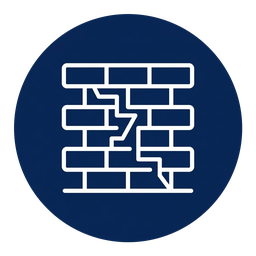
Cracks in Brick or Block
Cracks that run diagonally along mortar joints indicate the wall is deflecting under ground pressure.

Doors and Windows Sticking
If upstairs doors suddenly stick or rub against their frames, your foundation may be shifting or settling.
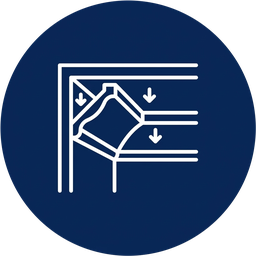
Separation at the Ceiling
Gaps appearing between interior drywall and ceilings often mean foundation footings are dropping.
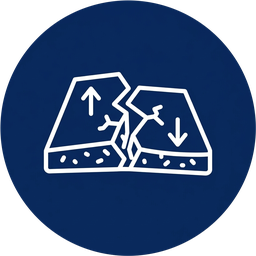
Cracked Basement Floor Slabs
Long fractures running across your concrete floor slab mean soil beneath the slab is sinking or expanding.
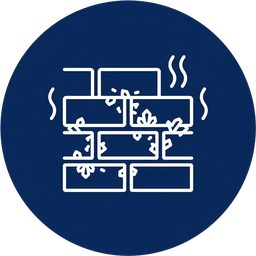
White Powdery Walls
White mineral crystals on masonry walls show that moisture is steadily dissolving the concrete binder.
Local Service Area in Hanover and York County
We are proud to live and work in south-central Pennsylvania. We provide prompt service throughout the following communities:
- Hanover Borough (ZIP codes 17331, 17332, 17333, 17334)
- Penn Township (Grandview, Bair, and surrounding neighborhoods)
- McSherrystown Borough
- Parkville and Midway
- Littlestown and Abbottstown
- Spring Grove and West York
Because our shop is local, our response times are fast. If a spring cloudburst floods your basement, our emergency team can be at your door quickly to pump out standing water and protect your furnace.
Our Location
1 Center Square, Hanover, PA 17331
Phone
(717) 282-9221
Quick Service Request
Protect Your Home's Structure and Its Resale Value
Foundation cracks are one of the top reasons home sales fall through in York County. Banks and buyers walk when a home inspector flags a bowing wall. Our engineer-certified repairs with a transferable lifetime warranty flip that script. Your repaired home passes inspection, attracts full-price offers, and moves faster on the market.
Frequently Asked Questions
Can bowing walls really be fixed without replacing the entire foundation?
Yes. In the vast majority of cases, carbon-fiber straps or steel wall anchors stabilize the wall permanently. This eliminates the need to lift your home or dig out the entire foundation, saving you tens of thousands of dollars.
Will carbon fiber show on my basement walls?
No. Fortress carbon-fiber straps are paper-thin yet extraordinarily strong. They lie flat against the wall. Once the epoxy cures, you can paint over them with standard masonry paint or build a finished drywall wall right against them.
How long does a foundation repair take to install?
Most residential carbon-fiber and crack-injection projects take only one to two days. Steel anchor systems typically take two to three days.
Does foundation repair increase my home's resale value?
Yes. Structural cracks on a home inspection report can scare away buyers or prevent bank mortgage approval. Our repairs include an engineer-certified, transferable lifetime warranty that proves to future buyers that your home is safe and stable.
Do you offer payment plans?
Yes. We offer attractive financing options, including 0% interest for 12 months for qualified Hanover homeowners.