
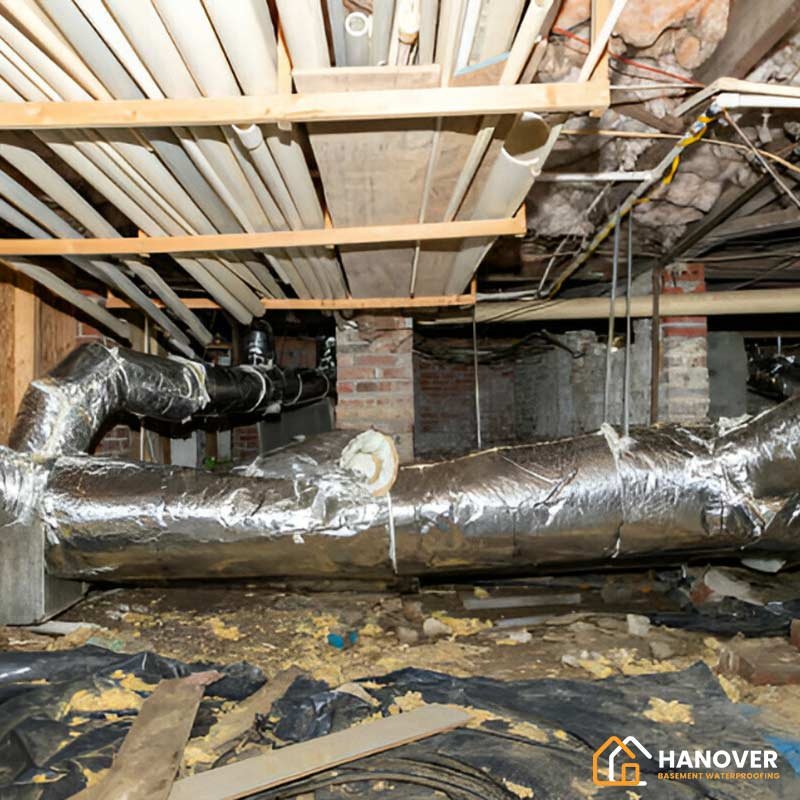
The crawl space encapsulation cost in Pennsylvania ranges between $4,000 and $15,000, with most homeowners paying $5 to $15 per square foot for a complete encapsulation system installation. The final cost depends on the crawl space size, the thickness of the vapor barrier liner, and whether additional components like crawl space insulation, drainage systems, or a crawl space dehumidifier are required.
For many Pennsylvania homeowners, crawl space encapsulation is an essential home improvement project designed to control crawl space moisture, improve indoor air quality, and protect the foundation structure of a house. Because homes in the region often experience high humidity, ground moisture intrusion, and seasonal freeze–thaw cycles, installing a sealed crawl space system can significantly reduce long-term structural risks.
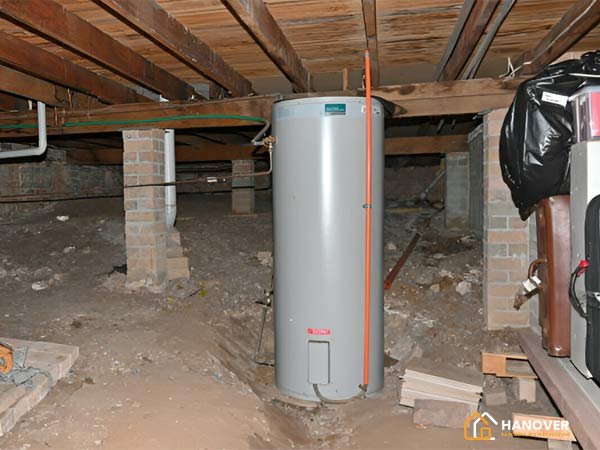
What is The Average Crawl Space Repair Cost in Pennsylvania?
The average crawl space encapsulation cost in Pennsylvania typically ranges from $4,000 to $15,000, depending on the size of the crawl space area and the level of moisture control system installation required. Homes with severe humidity problems, standing water, or mold growth may require additional preparation work before the encapsulation system can be installed.
Most crawl space encapsulation contractors calculate pricing based on square footage, the type of vapor barrier material, and the complexity of the foundation layout. Larger crawl spaces or homes with multiple foundation access points may require more labor and materials.
Below is a general estimate showing how crawl space size influences the total encapsulation project cost.
| Crawl Space Size | Typical Encapsulation Cost |
| 500 square feet | $2,500 – $6,000 |
| 1,000 square feet | $5,000 – $12,000 |
| 1,500 square feet | $7,500 – $18,000 |
For most Pennsylvania homes, the final price depends on whether the project includes additional components such as crawl space insulation, drainage installation, or a whole crawl space dehumidification system.
Another factor that influences pricing is the condition of the crawl space subfloor and foundation walls. If structural issues or wood moisture damage are present, contractors may recommend repairs or reinforcement work before installing the encapsulation liner system.
Crawl Space Encapsulation Cost Per Square Foot
Most crawl space encapsulation contractors in Pennsylvania estimate project costs using a price per square foot model. This approach allows homeowners to compare pricing across different crawl space service providers while also understanding how the total encapsulation cost scales with the size of the space.
The typical crawl space encapsulation cost per square foot ranges between $5 and $15 per square foot. Basic installations that only include a polyethylene vapor barrier and vent sealing are usually at the lower end of this range. More advanced systems that incorporate crawl space insulation, air sealing, and humidity control equipment tend to cost more.
For example, a 1,000 square foot crawl space may cost approximately $5,000 to $12,000, depending on the thickness of the encapsulation liner, the need for a drainage system, and the installation of a crawl space dehumidifier.
Contractors also consider the condition of the crawl space floor, foundation vents, and structural beams. If the project requires mold remediation, pest treatment, or removal of damaged insulation, these additional services can increase the overall encapsulation project price.
Because each home has a unique foundation layout, a professional crawl space inspection is often necessary to determine the most accurate encapsulation cost estimate.
Crawl Space Encapsulation Cost Breakdown by Component
The total cost of a crawl space encapsulation system is made up of several different materials, equipment components, and installation services. Understanding the individual cost of each component helps homeowners evaluate contractor quotes and determine which features are necessary for their crawl space moisture control strategy.
Below is a general cost breakdown for the most common crawl space encapsulation components.
| Encapsulation Component | Average Cost Range |
| Vapor barrier liner installation | $1,500 – $4,000 |
| Crawl space insulation system | $1,000 – $3,000 |
| Crawl space dehumidifier installation | $1,200 – $3,500 |
| Drainage system or sump pump installation | $2,000 – $6,000 |
The vapor barrier liner system is the foundation of any crawl space encapsulation project. This thick plastic membrane is installed across the crawl space floor and often extended up the foundation walls to block ground moisture vapor from entering the enclosed space.
A crawl space insulation system helps regulate temperature stability beneath the home and improves home energy efficiency. Many contractors use rigid foam board insulation or spray foam insulation to seal gaps and prevent air leakage.
In humid regions like Pennsylvania, installing a crawl space dehumidifier is often recommended to maintain a safe relative humidity level inside the sealed crawl space. This equipment prevents mold growth, protects wood framing, and improves overall indoor air quality.
Some homes also require a crawl space drainage system or sump pump installation to manage water intrusion during heavy rainfall or seasonal flooding. These systems redirect groundwater accumulation away from the foundation before it can damage the encapsulation barrier.
Together, these components form a complete crawl space encapsulation system designed to protect the home from moisture damage, structural decay, and long-term foundation deterioration.
Which Factors That Affect Crawl Space Encapsulation Cost in Pennsylvania?
The total cost of crawl space encapsulation in Pennsylvania can vary significantly depending on several structural, environmental, and installation-related factors. While the average price often falls between $4,000 and $15,000, the exact cost depends on the condition of the crawl space environment, the materials used in the encapsulation system, and the level of moisture control required.
Understanding the main cost factors for crawl space encapsulation helps Pennsylvania homeowners determine why contractor estimates may vary and what improvements are necessary to protect their home’s foundation structure.
Major Factors That Influence Encapsulation Cost
The following factors commonly affect the final price of a crawl space encapsulation project.
- Crawl space square footage
- Existing moisture or mold damage
- Vapor barrier thickness
- Crawl space insulation requirements
- Installation of a crawl space dehumidifier
- Drainage system or sump pump installation
- Structural repairs to floor joists or beams
- Accessibility of the crawl space area
Each of these elements can increase the amount of labor, materials, and installation complexity required to complete the encapsulation system.
Crawl Space Size and Square Footage
One of the most important cost factors is the total crawl space square footage. Larger crawl spaces require more vapor barrier liner material, more sealing tape, and additional labor to properly cover the crawl space floor and foundation walls.
For example, encapsulating a 500 square foot crawl space may cost around $2,500 to $6,000, while a 1,500 square foot crawl space can cost $7,500 to $18,000 depending on the complexity of the installation.
Homes with irregular foundation layouts, multiple support columns, or tight access points may also require more labor because contractors must carefully fit the encapsulation membrane around structural elements.
Moisture Damage and Mold Remediation
Another major factor affecting crawl space encapsulation cost is the presence of moisture damage, mold growth, or standing water. If a crawl space has long-term humidity issues, contractors may need to perform mold remediation, wood treatment, or structural repairs before installing the vapor barrier system.
Excess moisture can weaken floor joists, damage subfloor materials, and lead to severe indoor air quality problems inside the home. Because approximately half of the air inside a home can originate from the crawl space environment, controlling moisture intrusion is critical for maintaining a healthy living space.
In these situations, contractors may also recommend installing a crawl space drainage system, which directs groundwater accumulation away from the foundation and prevents water from damaging the encapsulation liner.
Vapor Barrier Thickness and Material Quality
The thickness and quality of the crawl space vapor barrier liner also play a major role in determining the cost of an encapsulation system. Vapor barriers are typically measured in mil thickness, with thicker liners providing greater durability and moisture protection.
Common vapor barrier options include:
- 10 mil vapor barrier liner
- 12 mil reinforced vapor barrier
- 20 mil commercial-grade encapsulation liner
A thicker polyethylene vapor barrier costs more but offers better resistance against punctures, ground moisture, and long-term wear. Many professional contractors recommend using a 20 mil encapsulation liner system because it provides stronger protection and a longer lifespan.
Although thinner liners may reduce the initial installation cost, they may require replacement sooner if they become damaged by foot traffic, pest activity, or shifting soil conditions.
Crawl Space Insulation and Air Sealing
In many homes, contractors combine crawl space encapsulation with upgraded crawl space insulation to improve energy efficiency and reduce heat loss through the floor system. Insulating the foundation walls or crawl space ceiling helps maintain stable temperatures beneath the home and reduces strain on the heating and cooling system.
Common insulation materials used in encapsulated crawl spaces include:
- Rigid foam board insulation
- spray foam insulation
- closed-cell foam insulation
Proper air sealing is also essential to prevent outside air infiltration through foundation vents, utility penetrations, and gaps in the subfloor structure. Sealing these openings helps maintain a controlled humidity environment inside the encapsulated space.
Because insulation materials and air sealing techniques increase the overall scope of work, they can raise the final encapsulation installation price.
Crawl Space Encapsulation vs Crawl Space Selling Cost
Many homeowners confuse crawl space sealing with crawl space encapsulation, but these two services offer different levels of moisture protection and environmental control.
Crawl space sealing typically involves installing a basic vapor barrier across the crawl space floor and closing foundation vents to reduce moisture entry. This approach provides a simple barrier against ground moisture, but it does not fully isolate the crawl space from outside air.
Crawl space encapsulation, on the other hand, creates a completely enclosed moisture control system. The encapsulation liner covers the crawl space floor, extends up the foundation walls, and seals all vents and openings. Additional equipment such as a crawl space dehumidifier or drainage system is often installed to regulate humidity levels.
Cost Comparison
| Service Type | Average Cost |
| Crawl space sealing | $1,500 – $4,000 |
| Full crawl space encapsulation system | $5,000 – $15,000 |
Although crawl space encapsulation costs more upfront, it provides stronger protection against mold growth, wood rot, and foundation moisture problems. Many Pennsylvania homeowners choose encapsulation because it offers long-term protection for their home’s structural components.
Why Crawl Space Encapsulation Is Important in Pennsylvania
The Pennsylvania climate plays a significant role in why many homes require crawl space moisture control systems. The region experiences a combination of high humidity, frequent rainfall, and seasonal temperature fluctuations, which can create ideal conditions for moisture accumulation beneath homes.
During the warmer months, humid air can enter through crawl space vents and condense on cooler surfaces like foundation walls and floor joists. Over time, this condensation can lead to mold growth, structural wood decay, and persistent musty odors inside the home.
In winter, freeze thaw cycles can introduce additional moisture into the soil surrounding the foundation, which may seep into the crawl space through foundation cracks or porous concrete walls.
By installing a sealed crawl space encapsulation system, homeowners can create a controlled environment that blocks ground moisture vapor, regulates humidity levels, and prevents long-term structural deterioration.
Because of these regional climate conditions, crawl space encapsulation in Pennsylvania is often recommended as a preventative home improvement that protects both the foundation structure and the indoor air quality of the home.
Crawl Space Encapsulation Cost in Major Pennsylvania Cities
The cost of crawl space encapsulation in Pennsylvania can vary depending on the local housing market, contractor labor rates, and the condition of the home foundation system. Larger metropolitan areas often have slightly higher prices because of increased labor costs, higher contractor demand, and more complex urban housing structures.
However, the overall price range for a crawl space encapsulation system remains relatively consistent throughout the state. The most significant factors affecting cost are usually the crawl space size, the presence of moisture damage, and the type of moisture control equipment installed.
Below is an overview of estimated crawl space encapsulation costs in major Pennsylvania cities.
| Pennsylvania City | Average Encapsulation Cost |
| Philadelphia crawl space encapsulation cost | $5,000 – $15,000 |
| Pittsburgh crawl space encapsulation cost | $4,500 – $13,000 |
| Allentown crawl space encapsulation cost | $4,000 – $12,000 |
| Harrisburg crawl space encapsulation cost | $4,000 – $11,500 |
Homes located in areas with frequent flooding, high groundwater levels, or severe humidity conditions may require additional systems such as a crawl space drainage system, sump pump installation, or a high-capacity crawl space dehumidifier.
For this reason, homeowners should always request a professional crawl space inspection to receive a customized encapsulation cost estimate based on the specific conditions of their property.
Is Crawl Space Encapsulation Worth the Cost?
Many Pennsylvania homeowners wonder whether investing in crawl space encapsulation is worth the expense. In most cases, the answer is yes because encapsulation protects the home from several costly structural and environmental problems.
The primary purpose of a crawl space encapsulation system is to eliminate moisture intrusion and regulate humidity levels beneath the home. When moisture accumulates in the crawl space environment, it can cause mold growth, wood rot, and deterioration of the foundation structure.
By sealing the crawl space with a vapor barrier liner, installing foundation wall insulation,
Benefits of Crawl Space Encapsulation
Installing a complete crawl space moisture control system provides several long-term benefits.
- Improved indoor air quality throughout the home
- Reduced risk of mold growth and mildew contamination
- Protection against structural wood decay
- Increased home energy efficiency
- Lower heating and cooling costs
- Reduced likelihood of pest infestations
Because nearly half of the air circulating inside a home can originate from the crawl space area, maintaining a dry and sealed environment beneath the house can significantly improve the overall living conditions inside the home.
How Long Does Crawl Space Encapsulation Last?
A professionally installed crawl space encapsulation system can last between 15 and 25 years, depending on the quality of the vapor barrier material, the effectiveness of the humidity control equipment, and the overall condition of the crawl space structure.
High-quality encapsulation liners, particularly those with 20 mil reinforced polyethylene material, are designed to withstand foot traffic, resist punctures, and block ground moisture vapor for decades.
However, the lifespan of the system also depends on maintaining proper humidity levels inside the crawl space. If moisture problems persist because of drainage issues or a malfunctioning crawl space dehumidifier, the encapsulation barrier system may degrade faster.
Regular inspections by a crawl space service contractor can help ensure that the encapsulation system continues to function effectively over time.
How to Get an Accurate Crawl Space Encapsulation Estimate
Because every home has a unique foundation structure and crawl space condition, obtaining an accurate crawl space encapsulation estimate requires a detailed inspection by a qualified crawl space contractor.During a professional crawl space inspection, contractors evaluate several factors that influence the cost of the encapsulation project.
FAQs
How much does crawl space repair usually cost?
Most repairs range from $1,500 to $15,000, depending on the damage, size of the space, and type of work needed.
What is the most expensive part of crawl space repair?
Complete encapsulation or structural repairs often cost the most. These jobs require more materials and labor.
Can I fix my crawl space myself?
You can handle small tasks like placing a vapor barrier. But for drainage, mold, or structural issues, it’s safer to hire a pro.
How do I know if my crawl space needs repair?
Watch for musty smells, mold, soft floors, or high humidity. These signs usually mean something’s wrong underneath.
Does insurance cover crawl space repair?
It depends on your policy and the cause of the damage. Most plans don’t cover moisture from poor drainage but might cover sudden water damage.
How long does crawl space repair take?
Most repairs take 1 to 5 days. Bigger jobs with drainage or structure work may take longer.