
Hanover Basement Water Proofing » Sump Pump Installation Cost Calculator
Sump Pump Installation Cost Calculator: Your Complete Pricing Guide
When it comes to protecting your basement or crawl space from flooding, a reliable sump pump system is a must. But how much does it cost to install a sump pump in 2025? Our Sump Pump Installation Cost Calculator helps you answer that question with precision.
Designed for homeowners, contractors, and property managers, this tool includes all key pricing variables: pump type, installation complexity, local labor rates, and optional add-ons. In this guide, we’ll walk you through:
The main cost factors used in the calculator
How to use the tool step-by-step
What each input means for your final estimate
Let’s dive in.
📍 Hanover, PA & York County Service Area
Sump Pump Installation Cost Calculator
Instant localized estimate based on equipment type, pit setup, and power backup needs
✅ Estimate Ready
✖ Minimize / Close
Estimated Investment (Hanover, PA Rates)
$0
Estimated Range: $0 - $0
Cost Distribution Breakdown
Total: $0
Sump Pump Equipment
Labor & Pit Installation
Battery Backup & Electrical
Discharge Line & Addons
| Installation Scope / Pit Excavation | $0 |
| Sump Pump Unit & Motor Capacity | $0 |
| Battery Backup & Electrical Setup | $0 |
| Discharge Piping & Upgrades | $0 |
*Estimate generated for Hanover, PA (17331) and York County. Final pricing subject to on-site inspection of basement foundation and water table levels.
How to Use the Sump Pump Cost Calculator: Step-by-Step
Step 1: Enter Crawl Space or Basement Size
Input your space’s square footage. This determines base material volume and pump sizing.
Step 2: Choose Your Pump Type
Select from small, medium, or high-capacity systems:
- Small (~30 GPM): Budget installations
- Medium (~60 GPM): Standard for homes
- Large (~100+ GPM): For high water tables or large basements
Step 3: Set Your Access Difficulty
Easy, moderate, or tight/confined access. This adjusts labor time and excavation effort.
Step 4: Include Optional Upgrades
Select if you want:
- Electrical setup (new outlet)
- Drain tile system
- Smart monitoring
- Battery backup
Each of these updates your pricing dynamically.
Step 5: Input Your Local Permit Cost (Optional)
Most towns in Pennsylvania charge $100–$300 for this kind of installation.
Step 6: Click ‘Calculate Cost’
You’ll receive:
- Pump cost by type
- Labor estimate (in hours and dollars)
- Accessories and optional systems
- Total project cost
You can also export to PDF to save or send to your contractor.
Main Cost Factors in the Sump Pump Installation Calculator
We’ve designed the calculator to reflect real-world project variables. Below are the primary cost drivers:
1. Pump Type and Capacity
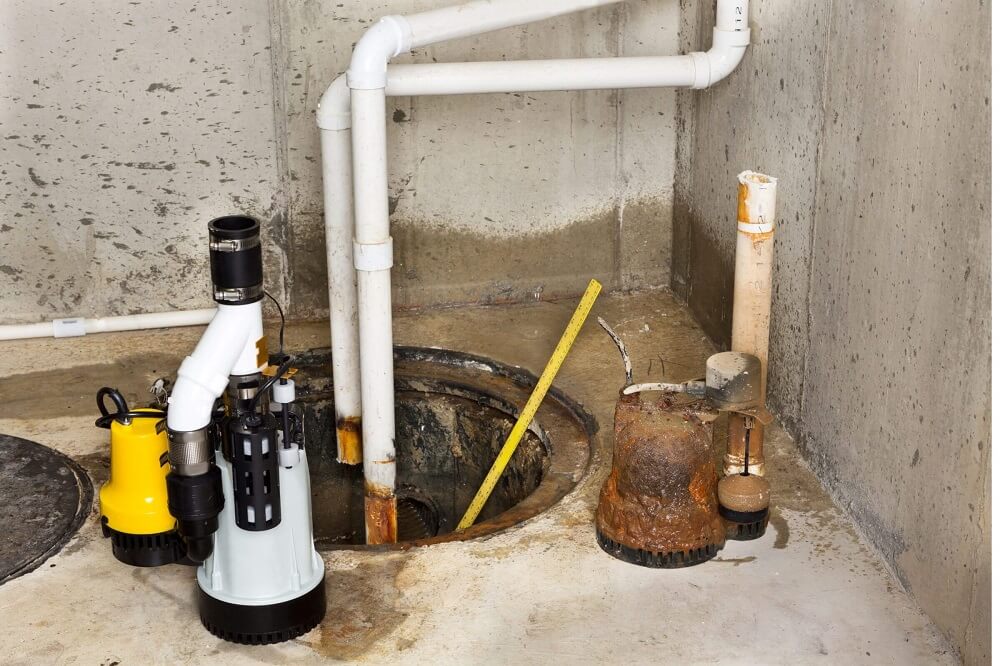
- Pedestal vs. Submersible: Submersibles are more expensive but quieter and better for frequent use.
- Gallons per Hour (GPH) capacity: The higher the flow rate, the more powerful and expensive the unit.
2. Crawl Space Size
- Impacts the type of pump, drainage piping required, and labor hours.
3. Soil Condition & Drainage Needs
- Clay or compacted soil needs more excavation.
- May require trenching or drain tiles, which increases cost.
4. Pump Features
- Battery Backup: Adds redundancy but increases total cost.
5. Installation Difficulty
- Access constraints, depth of pit, or concrete slab drilling all affect labor hours.
6. Labor Rate in Your Region
- Based on Pennsylvania labor average: $60/hour
- Adjusted by estimated time (standard = 6–10 labor hours)
7. Electrical & Drainage Setup
- GFCI outlet installation and drain connection or discharge pipe routing
8. Permit Fees & Inspection Requirements
- Some cities require inspection or plumbing/electrical permits
Why Our Calculator Offers More Accuracy
Unlike generic pricing tables, our sump pump cost calculator includes dynamic cost multipliers for:
- Crawl space size and layout
- Site conditions (soil type, elevation)
- Local labor rates
- Optional system upgrades
We use real-world rates from 2025 and customize to your property inputs. Whether you’re getting quotes from a waterproofing company or DIY planning, this tool gives you an advantage.
Disclaimer: This calculator provides a general cost estimate. Always get an in-person site assessment before finalizing your project budget.